Amla Plant (Big Size Fruit) – Indian Gooseberry
Basic Product Details
- Scientific Name: Phyllanthus emblica
- Common Names: Amla, Indian Gooseberry, Awla, Nellikai
- Plant Height: 12-18 inches (approximately)
- Pot Size: 5-6 inch nursery pot
- Soil Type: Well-draining, loamy, or sandy soil with a slightly acidic to neutral pH
- Plant Type: Fruit-bearing, deciduous tree
- Native Region: Indian subcontinent
Product Overview
The Amla plant (Phyllanthus emblica), also known as Indian Gooseberry, is a highly valued fruit tree in Ayurveda and modern health sciences. This variety produces large-sized, round, greenish-yellow fruits known for their rich vitamin C content, antioxidants, and medicinal properties. It is a low-maintenance plant, ideal for home gardens, farms, and commercial orchards.
Features and Characteristics
Growth Habit
- Medium-sized deciduous tree, growing up to 20-25 feet when fully matured.
- Thrives well in tropical and subtropical climates.
Foliage
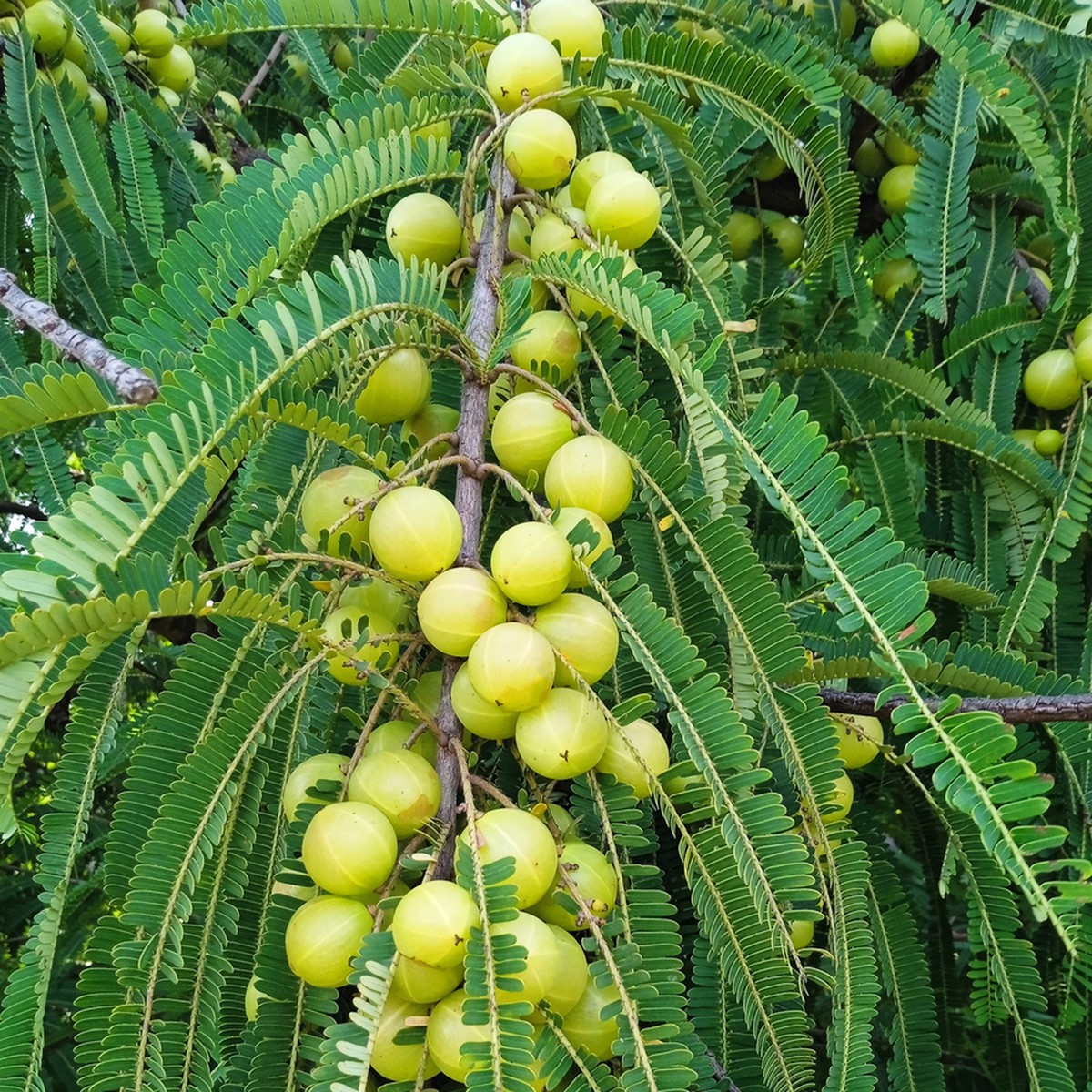
- Small, light green, feathery leaves arranged in a symmetrical manner on branches.
Flowers
- Small, greenish-yellow flowers bloom during spring and summer.
Fruits
- Large, round, greenish-yellow fruits with a smooth, glossy surface.
- Extremely rich in vitamin C, antioxidants, and essential nutrients.
- Has a sour and slightly bitter taste, widely used in medicinal and culinary applications.
Resilience
- Highly drought-resistant and can thrive in poor soil conditions.
- Requires minimal maintenance once established.
Uses of Amla
Nutritional & Health Benefits
- Rich in Vitamin C Boosts immunity and improves skin health.
- Powerful Antioxidant Helps fight free radicals and slows aging.
- Aids Digestion Supports gut health and enhances metabolism.
- Promotes Hair Growth Used in hair oils and herbal treatments for strong, healthy hair.
- Lowers Blood Sugar & Cholesterol Beneficial for managing diabetes and heart health.
Culinary Uses
- Used in making Amla juice, pickles, murabba (sweet preserve), jams, and chutneys.
- Added to herbal teas and Ayurvedic health tonics.
Ayurvedic & Medicinal Uses
- A key ingredient in traditional medicines like Chyawanprash and herbal supplements.
- Used in herbal oils, shampoos, and skincare products.
Other Uses
- Amla fruit is sun-dried and powdered for herbal preparations.
- The wood of the Amla tree is used in making small tools and utensils.
Harvesting and Farming Details
Farming
Climate Requirements
- Thrives in tropical and subtropical climates with moderate rainfall.
- Can tolerate light frost but grows best in warm weather.
Soil
- Prefers well-draining loamy or sandy soil.
- Grows well in slightly acidic to neutral pH soil conditions.
Planting Season
- Best planted during the monsoon or early spring for root establishment.
Spacing
- Maintain a distance of 4-5 meters between trees in an orchard setting.
Harvesting
Fruit Harvesting
- Amla trees start bearing fruit after 3-5 years of planting.
- Fruits are ready for harvest between November and February.
- Harvested manually when they turn greenish-yellow and firm.
Care Tips
Light
- Requires full sunlight for at least 6-8 hours daily.
Watering
- Water regularly in the initial growing phase.
- Once mature, it is drought-tolerant and requires occasional deep watering.
Fertilizer
- Apply organic manure or compost annually.
- Use a balanced NPK fertilizer to promote fruit production.
Pruning
- Prune dead or weak branches during winter to encourage healthy growth.
Pest Control
- Amla plants are resistant to most pests, but aphids and caterpillars may appear.
- Use organic neem oil or mild pesticides if necessary.
Benefits of Growing Amla
Health & Wellness Benefits
- Homegrown Amla ensures chemical-free, organic fruit production.
- Provides fresh, nutrient-rich fruits for daily consumption.
Economic Benefits
- High demand for Amla in herbal, cosmetic, and food industries.
- Profitable crop for commercial farming due to long-term fruit production.
Environmental Benefits
- Amla trees improve air quality by absorbing CO and releasing oxygen.
- Helps prevent soil erosion in gardens and farmland.
Placement Suggestions
- Suitable for home gardens, farms, and large backyards.
- Can be grown in containers or pots for terrace gardening.
- Ideal for commercial orchards for large-scale fruit production.


 Unconditional Satisfaction Guarantee