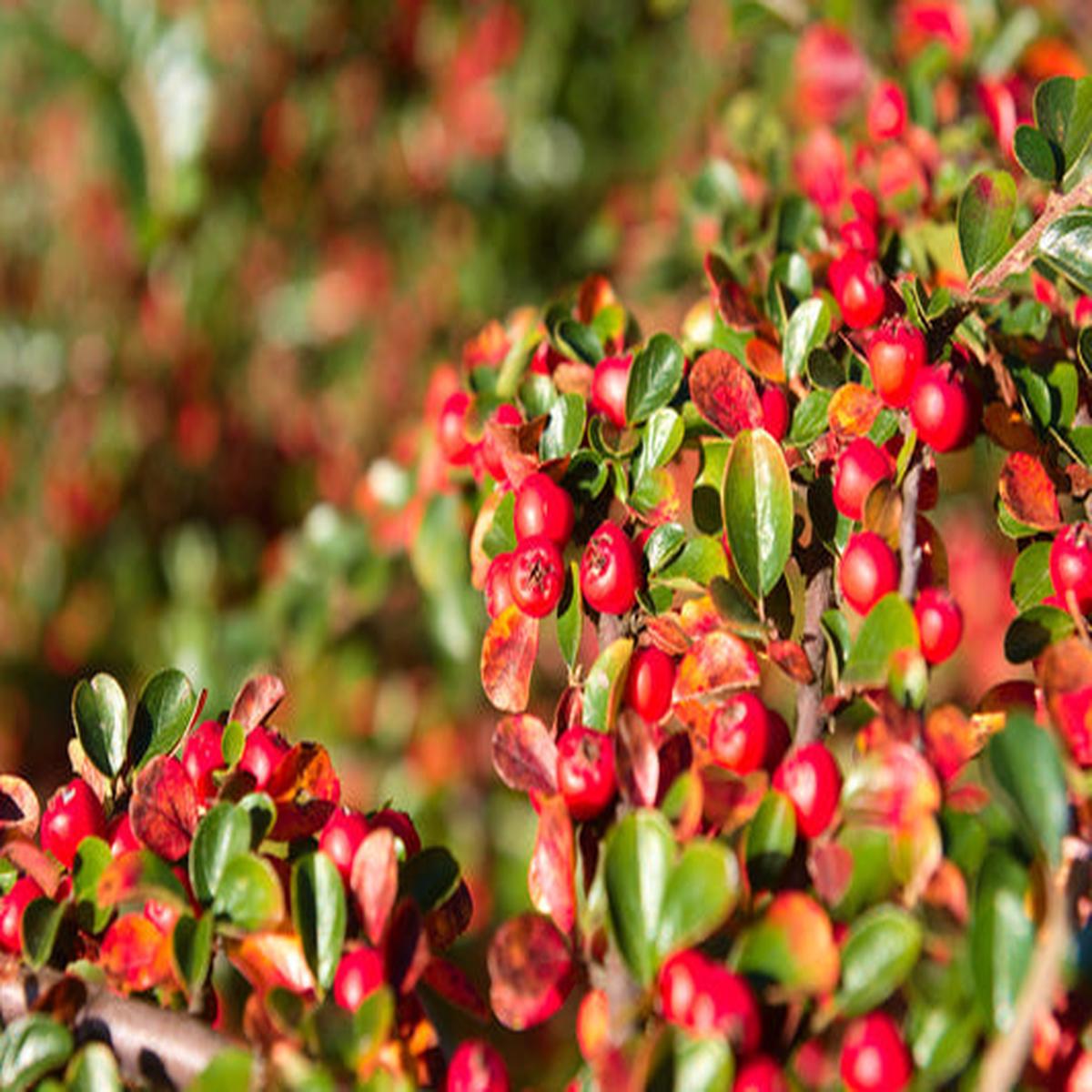
n leaves, delicate white to pink flowers in spring, and bright red berries in fall.
A favorite choice for groundcover, slopes, and rock gardens, Bearberry is cold-hardy, drought-tolerant, and ideal for poor or sandy soils. Its year-round foliage and seasonal berries make it both ornamental and ecologically valuable attracting birds and pollinators while preventing soil erosion.
Features
- Evergreen Groundcover: Provides lush greenery year-round.
- Attractive Blooms: Clusters of small white-pink flowers in spring.
- Colorful Berries: Bright red berries persist into winter, attracting wildlife.
- Cold Hardy: Thrives in USDA Zones 27 and tolerates extreme winters.
- Soil Stabilizer: Excellent for slopes, banks, and rocky or sandy soils.
- Wildlife Friendly: Provides nectar for bees and food for birds.
- Low Maintenance: Drought-tolerant and requires little pruning once established.
Specifications
- Common Name: Bearberry / Kinnikinnick
- Scientific Name: Arctostaphylos uva-ursi
- Plant Type: Evergreen groundcover shrub
- Zones: USDA 27
- Mature Height: 612 inches
- Spread: 36 ft (forms dense mat)
- Growth Rate: Slow to moderate
- Light Requirement: Full sun to partial shade
- Soil Type: Sandy, rocky, well-drained soil
- Soil pH: 5.07.0 (acidic to neutral)
- Watering: Low; drought-tolerant once established
- Temperature Range: -40F to 85F (-40C to 29C)
- Bloom Time: Spring (AprilJune)
- Fruit Season: Late summer to fall
- Fruit Color: Red
- Germination Time: 60120 days (cold stratification recommended)
- Pollination: Self-pollinating
- GMO Status: 100% Non-GMO
- Uses: Groundcover, erosion control, rock gardens, wildlife support
Planting Guide
- Cold Stratify Seeds: Mix seeds with moist sand and refrigerate for 90120 days.
- Sow Indoors or Outdoors: Plant inch deep in well-drained soil.
- Light: Full sunlight or light shade preferred.
- Temperature: Maintain 6575F (1824C) for germination after stratification.
- Transplanting: Move seedlings outdoors after frost risk passes.
- Spacing: 23 ft apart for dense groundcover.
- Watering: Keep soil moist until established, then reduce watering.
- Fertilization: Use acidic soil amendments if necessary; avoid heavy feeding.
Care Tips
- Avoid overwateringBearberry thrives in dry, well-drained sites.
- Mulch with pine needles to maintain acidity.
- Prune lightly after flowering to control shape and spread.
- Protect young plants from heavy foot traffic until established.

 Unconditional Satisfaction Guarantee