$4.39
$5.49
50% OFF! Hot items selling fast—Grab them before they're gone!
 Unconditional Satisfaction GuaranteeNo Shipping Fees Above 302 Months to Decide. Returns Simplified.
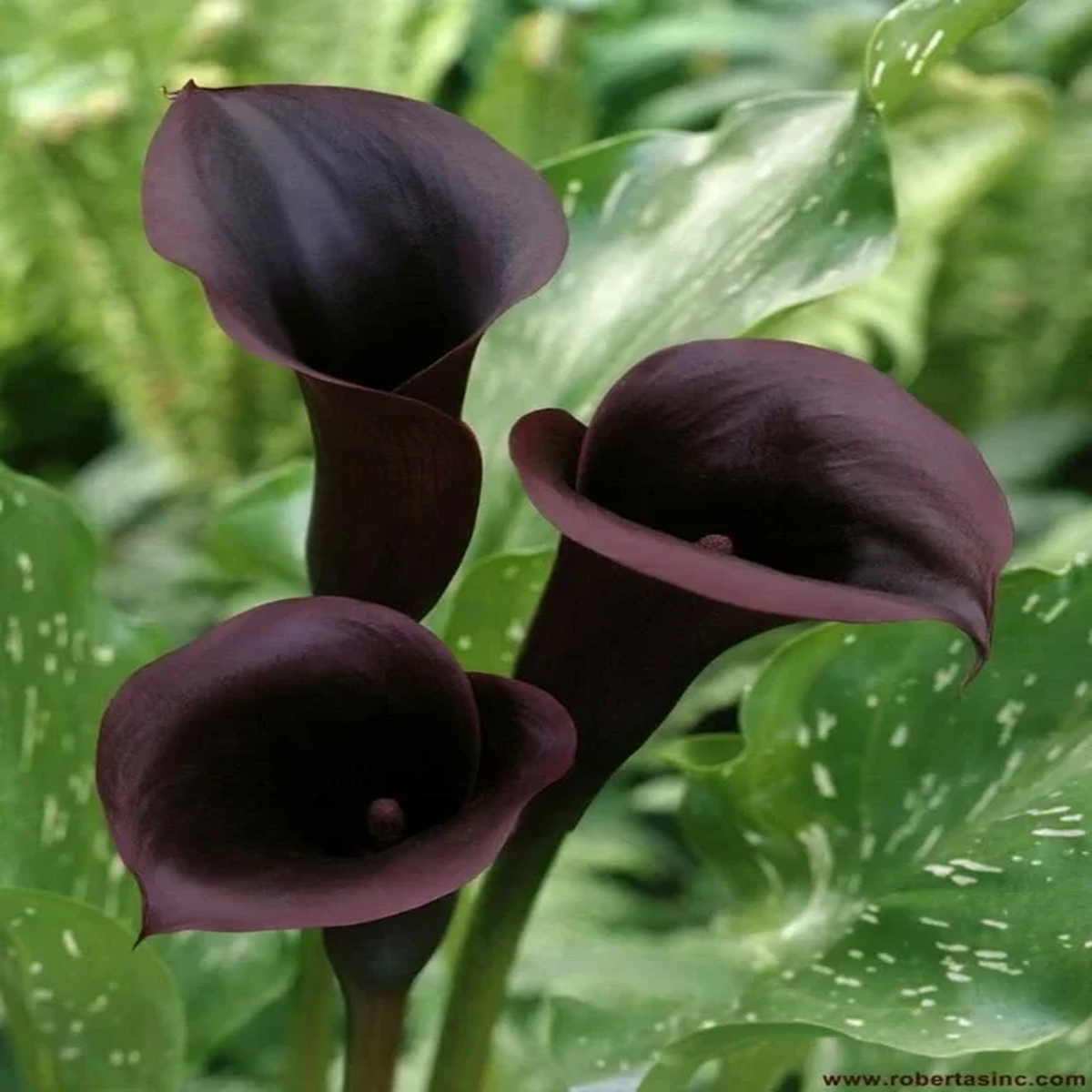
Discover the rare beauty of the black calla lily seeds, scientifically known as Zantedeschia Aethiopica. These exquisite flower seeds promise to transform your garden or indoor space with their dramatically dark, velvety blooms. Unlike common calla lilies, the black variety offers a sophisticated and mysterious appeal, making them a focal point wherever they are planted. Ideal for enthusiasts looking for something truly unique, these seeds allow you to cultivate your own stunning specimens, whether for elegant cut flowers, dramatic garden accents, or even as captivating bonsai plants. The process of growing these Zantedeschia Aethiopica seeds is a rewarding journey leading to breathtaking results.
Originating from Southern Africa, Zantedeschia Aethiopica varieties are known for their distinctive, trumpet-shaped spathes and lush foliage. The Black Star or similar dark-hued cultivars bring an unparalleled aesthetic to any plant collection. These seeds offer a cost-effective and engaging way to introduce these magnificent plants into your horticultural endeavors. Prepare to be enchanted by the deep, rich tones and graceful form of the black calla lily.
Cultivating black calla lily seeds offers numerous benefits, from aesthetic appeal to the joy of nurturing a unique plant. These seeds provide an opportunity to grow truly special flowers that stand out from the crowd.
Successful cultivation of black calla lily seeds begins with understanding their specific needs. These plants thrive in conditions that mimic their native environment, requiring attention to light, water, and soil. For optimal growth, start your seeds indoors in a warm environment before transplanting.
For light, calla lilies generally prefer full sun to partial shade. If growing indoors, place them near a window where they can receive bright, indirect light for at least 6 hours daily. Outdoors, ensure they get morning sun and some afternoon shade in hotter climates to prevent scorching. Watering should be consistent, especially during the growing season. Keep the soil evenly moist but never waterlogged. Allow the top inch of soil to dry out slightly between waterings. Overwatering can lead to tuber rot. The ideal soil type is a rich, well-draining potting mix. A blend of peat moss, perlite, and good quality garden soil works well. Ensure good drainage to prevent standing water.
Calla lilies are sensitive to cold. They are generally suited for USDA zones 8-10 as perennials, but can be grown as annuals or brought indoors in colder zones. Fertilize monthly during the growing season with a balanced liquid fertilizer to encourage robust growth and abundant blooms. Common problems include yellowing leaves, which can indicate overwatering or nutrient deficiency, and pests like aphids, which can be managed with insecticidal soap. Proper care ensures healthy plants and vibrant blooms from your Zantedeschia Aethiopica seeds.
These black calla lily seeds offer the potential to grow plants that typically reach a height of 24 to 36 inches (60-90 cm) when mature, with a spread of about 12 to 18 inches (30-45 cm). The exact size can vary depending on growing conditions, climate, and care. Each seed packet contains a generous quantity of seeds, allowing for multiple planting attempts and a higher success rate. The plants are known for their clumping growth habit, producing multiple elegant blooms over the growing season. While planting time is flexible, starting seeds in early spring indoors or after the last frost outdoors is recommended for the best results. Expect blooms to appear typically within 2-3 months after germination under ideal conditions.
These seeds will arrive ready for planting, allowing you to begin your gardening project without delay. The resulting plants are suitable for both container gardening, providing a striking focal point on patios or balconies, and for planting directly into garden beds where they can thrive and add dramatic color. They are also excellent for creating unique bonsai specimens, showcasing their sculptural form in a compact size.