$22.36
$27.95
50% OFF! Hot items selling fast—Grab them before they're gone!
 Unconditional Satisfaction GuaranteeNo Shipping Fees Above 302 Months to Decide. Returns Simplified.
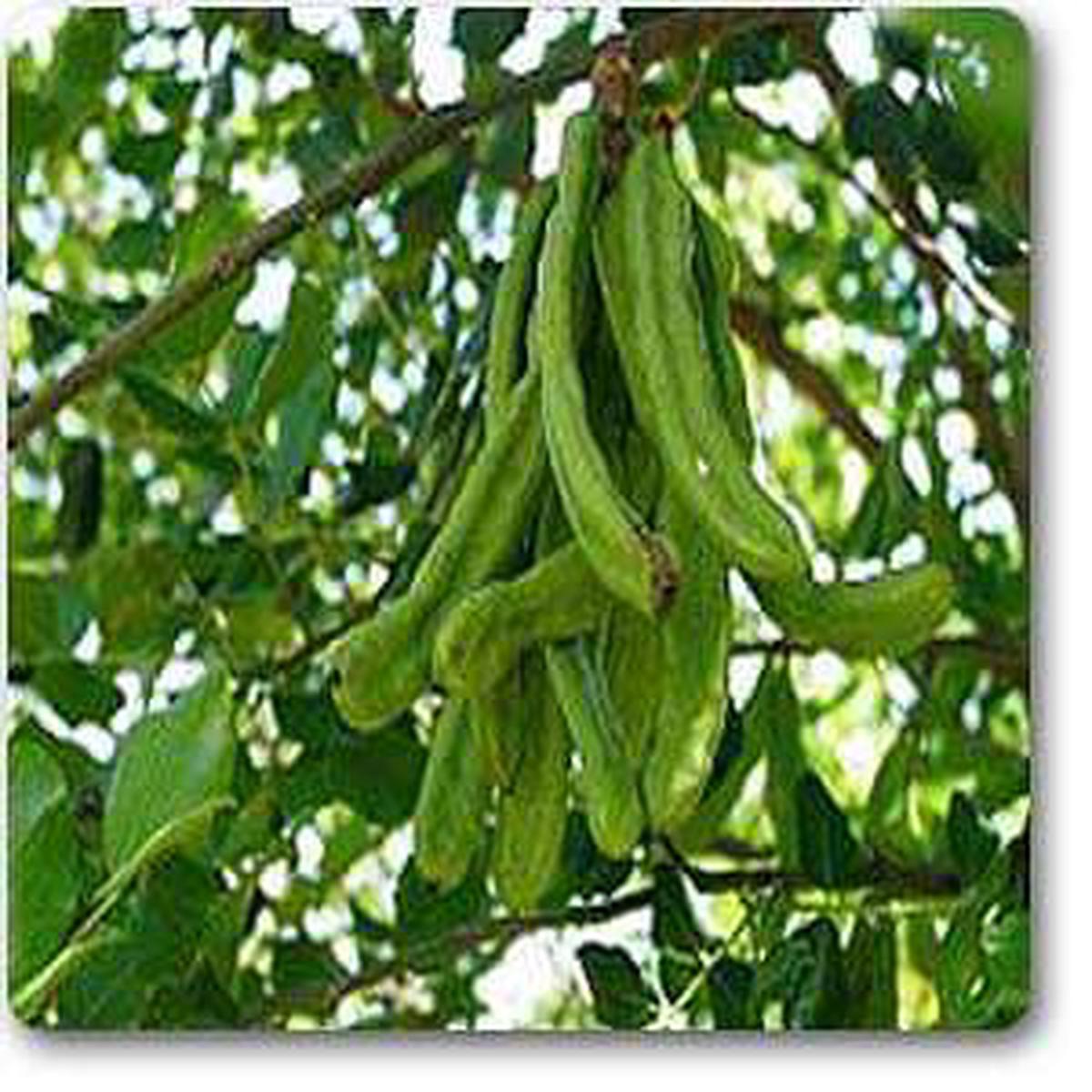
The Carob tree (Ceratonia siliqua) is a remarkable leguminous plant native to the Mediterranean region. Known for its sweet, edible pods, carob is often used as a chocolate substitute, making it a popular choice for health-conscious consumers. Rich in fiber, antioxidants, and essential minerals, carob is not only a delicious treat but also a nutritious addition to your diet.
What makes carob special is its unique flavor profile and health benefits. Unlike chocolate, carob is caffeine-free and low in fat, making it an excellent alternative for those sensitive to stimulants. Its natural sweetness allows for reduced sugar in recipes, promoting healthier eating habits.
One of the standout features of the carob plant is its ability to thrive in arid conditions, making it an environmentally friendly choice for sustainable agriculture. Carob trees also improve soil quality and provide habitat for wildlife, contributing positively to their ecosystems.
Carob trees play a significant role in combating desertification and improving soil health. Their deep root systems help prevent erosion and promote water retention, making them ideal for arid regions. By choosing to grow carob, you contribute to sustainable agriculture and support biodiversity.