$4.39
$5.49
50% OFF! Hot items selling fast—Grab them before they're gone!
 Unconditional Satisfaction GuaranteeNo Shipping Fees Above 302 Months to Decide. Returns Simplified.
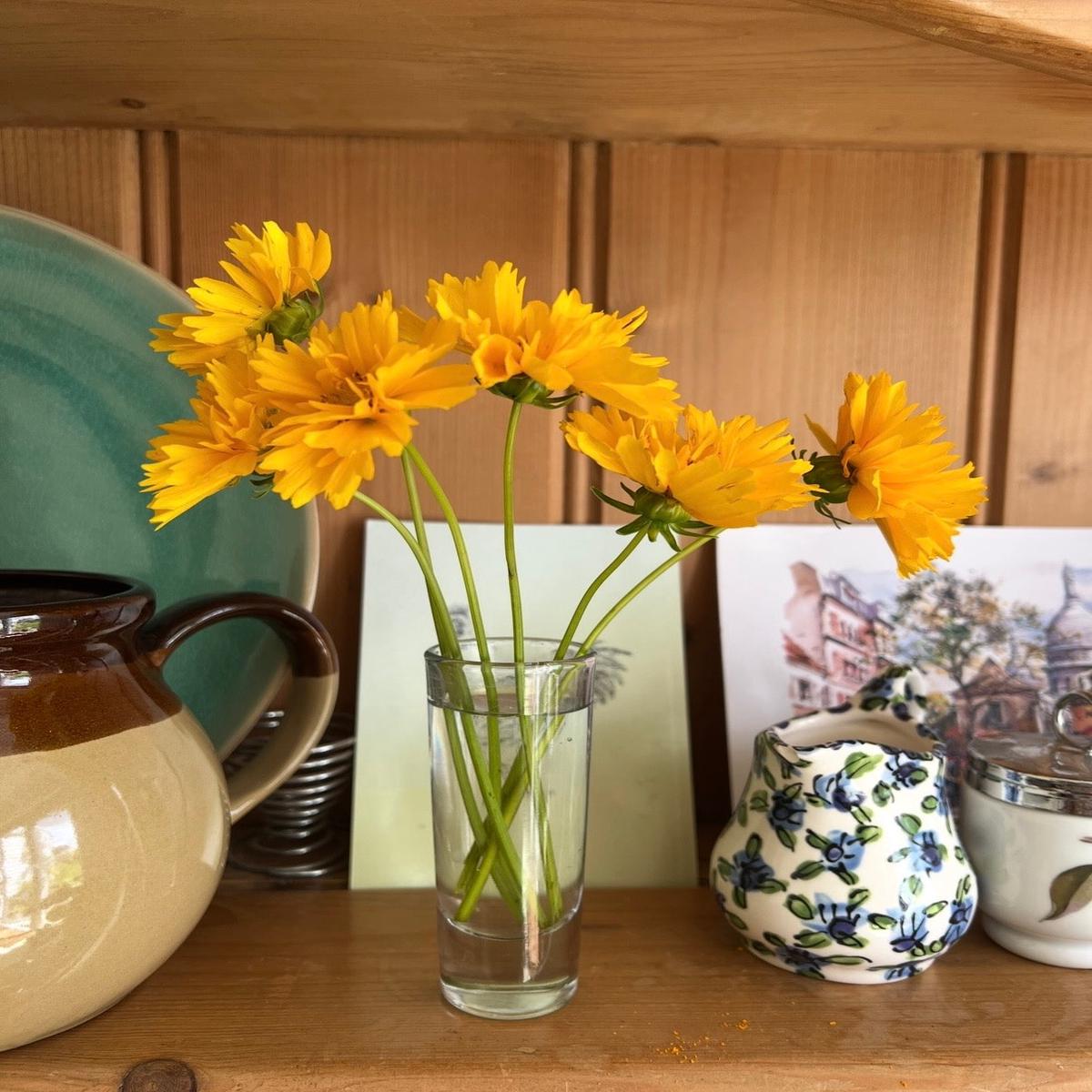
Ruffled globes of sunny, golden-yellow on neat, compact mounds. An award-winning beauty that breaks the rules by flowering in its very first year just 12 weeks after sowing.
Usually, growing perennials from seed requires patience, as they spend the first year growing leaves and only flower in year two. ‘Early Sunrise’ breaks all the rules. It is famous for blooming just 11-12 weeks after sowing, giving you a summer of golden colour in its very first year.
The flowers are stunningsemi-double, ruffled globes of rich, sunny yellow that sit atop neat, compact mounds of greenery. It is a tough, sun-loving plant that laughs at drought and poor soil, making it perfect for containers or sunny borders where you want reliable, low-maintenance cheer.
Understanding the Plant
Coreopsis grandiflora ‘Early Sunrise’ is a robust Short-Lived Perennial (H4). While it is hardy and will survive the winter to bloom for 2-3 years, it is often treated by professional growers as a high-performance annual because it expends so much energy flowering in its first season.
The “Tickseed” Origin: You may notice the name “Tickseed” on the packet; this refers to the unique shape of the seeds (derived from the Greek kris for bug), which resemble tiny beetles. Rest assured, this is purely botanical and the plant does not attract ticks!
Award-Winning Performance: This variety is a Fleuroselect Gold Medal Winner and an All-America Selections (AAS) Winner. These prestigious accolades confirm that ‘Early Sunrise’ is one of the most reliable and high-performing perennials available to grow from seed in the UK garden.
Growing Guide
To achieve flowers in the very first year, ‘Early Sunrise’ requires an early start indoors to maximize the growing season.
How to Sow:
Sow indoors from February to April. Surface sow the seeds onto moist seed compost and cover with only a very fine sprinkling of vermiculite; the seeds require light to germinate and must not be buried. Maintain a constant temperature of 20C. Germination typically occurs within 14-21 days.
Where to Plant:
They demand full sun and thrive in poor, well-drained, or sandy soil. While they are remarkably drought-tolerant once established, they cannot survive in heavy, waterlogged clay over the winter. If your garden has heavy soil, we recommend growing them in containers or adding plenty of grit to the planting hole.
Ongoing Care:
Deadheading is vital for this variety. Regular removal of faded flower globes will stimulate the plant to produce fresh buds continuously from June through to October. If allowed to set seed, the plant will drastically reduce its flower production to focus its energy on the “tickseeds.”
Plant Specifications
| Botanical Name | Coreopsis grandiflora ‘Early Sunrise’ |
| Common Name | Tickseed |
| Plant Type | Short-Lived Hardy Perennial |
| Hardiness | H4 (Hardy through UK winters) |
| Light Requirements | Full Sun |
| Height | 45cm – 50cm (Compact) |
| Spread | 40cm |
| Spacing | Plant 30cm apart |
| Flowering Period | June to October |
| Perfect For | Cheerful Cut Flower Filler High-Nectar Pollinator Food Gravel & Drought-Tolerant Gardens Low-Maintenance Containers |
| Seeds per Packet | Approximately 50 seeds |
Beautiful Garden Combinations
The bright golden-yellow of ‘Early Sunrise’ acts as a warm solar anchor that pairs spectacularly with cool or structural partners from our range:
Sowing & Flowering Calendar
Sow indoors in early spring for a spectacular harvest of golden ruffled globes from early summer until the autumn frosts.
| Month | J | F | M | A | M | J | J | J | A | S | O | N | D |
|---|---|---|---|---|---|---|---|---|---|---|---|---|---|
| Sow Indoors | |||||||||||||
| Flowering |
Pollinator Favourite
As an RHS Plant for Pollinators, Coreopsis provides high-quality nectar and pollen for British bees, butterflies, and hoverflies from early summer through to the autumn frosts.
Known for its stamina and ability to thrive in baking-hot conditions, Coreopsis grandiflora ‘Early Sunrise’ is an essential choice for those wanting to create a vibrant, low-maintenance garden that provides non-stop colour in its very first season.
Want more detailed growing advice?
View our Complete Growing Guide for Perennials