$13.59
$16.99
50% OFF! Hot items selling fast—Grab them before they're gone!
 Unconditional Satisfaction GuaranteeNo Shipping Fees Above 302 Months to Decide. Returns Simplified.
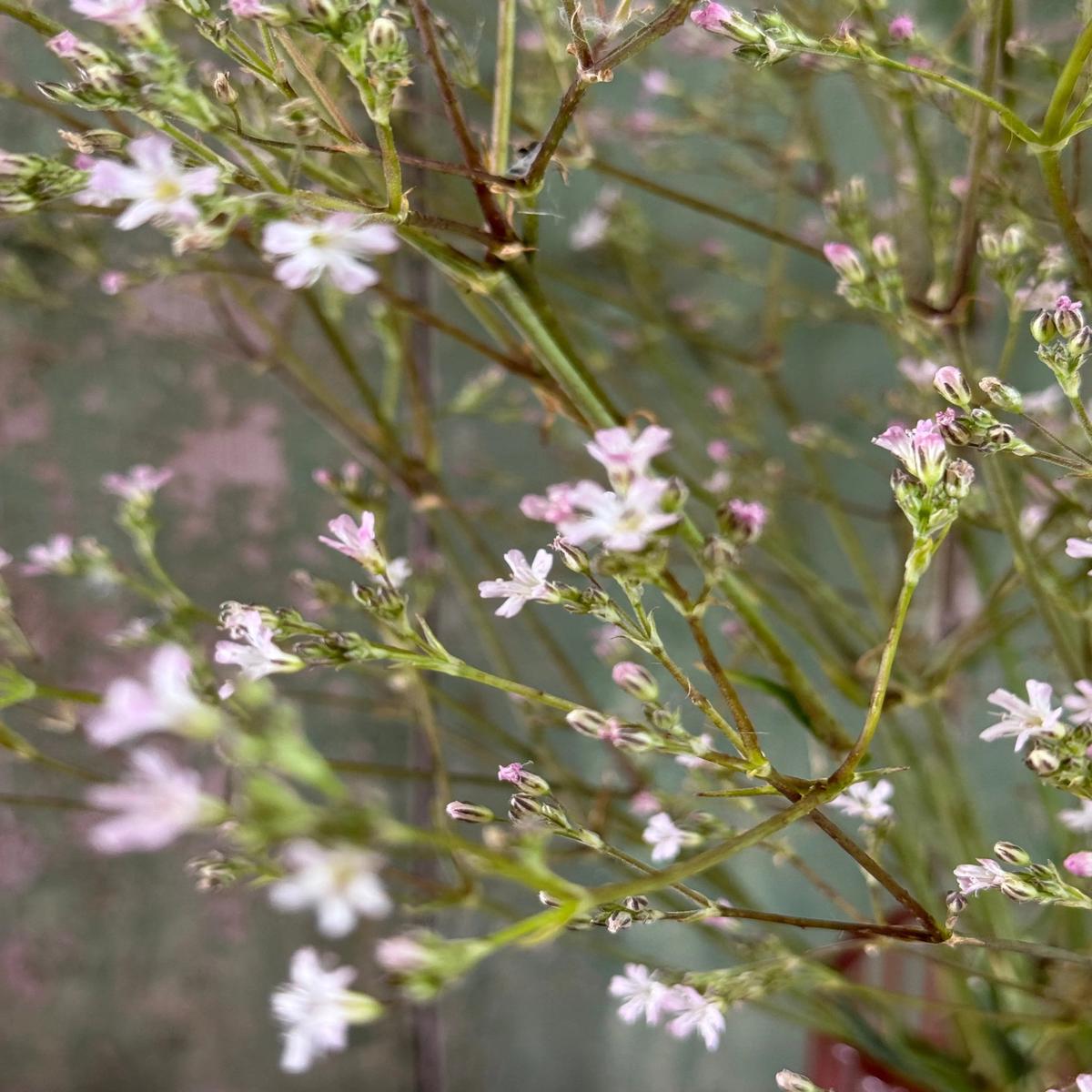
A misty, airy cloud of delicate rose and shell-pink flowers. This annual ‘Pink’ variety is the secret ingredient for professional garden bouquets, flowering tirelessly from June right through to late summer.
While the classic white Baby’s Breath is a florist staple, this stunning pink variety brings a softer, warmer glow to bouquets and borders. It produces masses of larger, open-faced flowers in delicate shades of rose and shell-pink, creating a misty, airy cloud of colour.
This is an upright, hardy annual variety (not the low creeping kind). It grows quickly to form branching stems that are perfect for cutting. It is the secret ingredient that turns a handful of garden flowers into a professional-looking arrangement, softening hard lines and blending colours together beautifully.
Understanding the Plant
Gypsophila elegans, or Annual Baby’s Breath, is a Hardy Annual (H3). Unlike the perennial creeping varieties, this plant is built for speed and immense flower power, completing its entire life cycle in a single UK summer season.
The Speed Specialist: This is one of the fastest flowers you can grow from seed. In a favourable British spring, it can go from sowing to a full cloud of pink blooms in as little as 8 to 10 weeks. This makes it an ideal “quick fix” for filling gaps in the border or for children’s gardens.
Pollinator Magnet: Despite the tiny size of the individual flowers, they are produced in such vast quantities that they become a major draw for beneficial insects. They are particularly attractive to hoverflies and small solitary bees, making them a high-value addition to any wildlife-friendly garden.
Growing Guide
Gypsophila is a “scatter and grow” plant that performs best when its sensitive roots are left undisturbed.
How to Sow:
Sow directly outdoors from March to May, or in September for earlier flowers the following spring. Scatter the seeds thinly onto a finely raked surface and cover very lightly with soil. Germination is rapid, usually occurring within 10-14 days.
Where to Plant:
They demand full sun to prevent them from becoming floppy and sparse. They thrive in most well-drained soils but have a legendary love for alkaline (chalky) conditions. If your soil is naturally acidic, adding a small amount of garden lime to the area before sowing will significantly improve their performance.
Ongoing Care:
Because they flower so profusely, annual Gypsophila can “burn out” after 4-5 weeks. For a continuous supply of pink clouds, use succession sowingsow a small pinch of seeds every 2-3 weeks until June. In windy UK gardens, placing a few twiggy birch sticks among the plants will provide discreet, natural support for their delicate stems.
Plant Specifications
| Botanical Name | Gypsophila elegans |
| Common Name | Annual Baby’s Breath ‘Pink’ |
| Plant Type | Hardy Annual |
| Hardiness | H3 (Tolerates light frost) |
| Light Requirements | Full Sun |
| Height | 45cm – 50cm |
| Spread | 30cm |
| Spacing | Plant 20cm apart |
| Flowering Period | June to September |
| Perfect For | Professional Cut Flowers Romantic Wedding Fillers Wildlife-Friendly Gardens Instant “Gap-Filling” Colour |
| Seeds per Packet | Approximately 1000 seeds |
Beautiful Garden Combinations
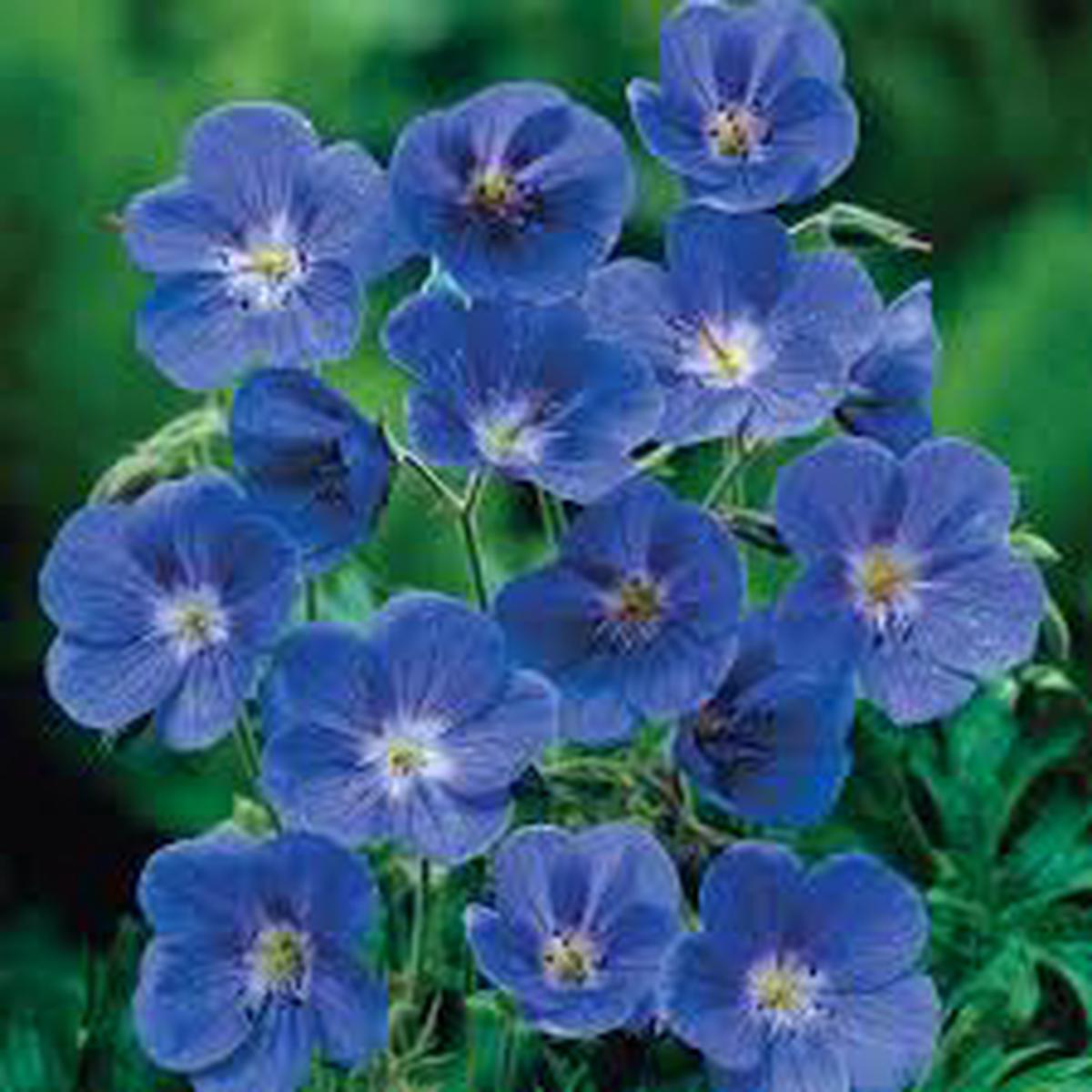
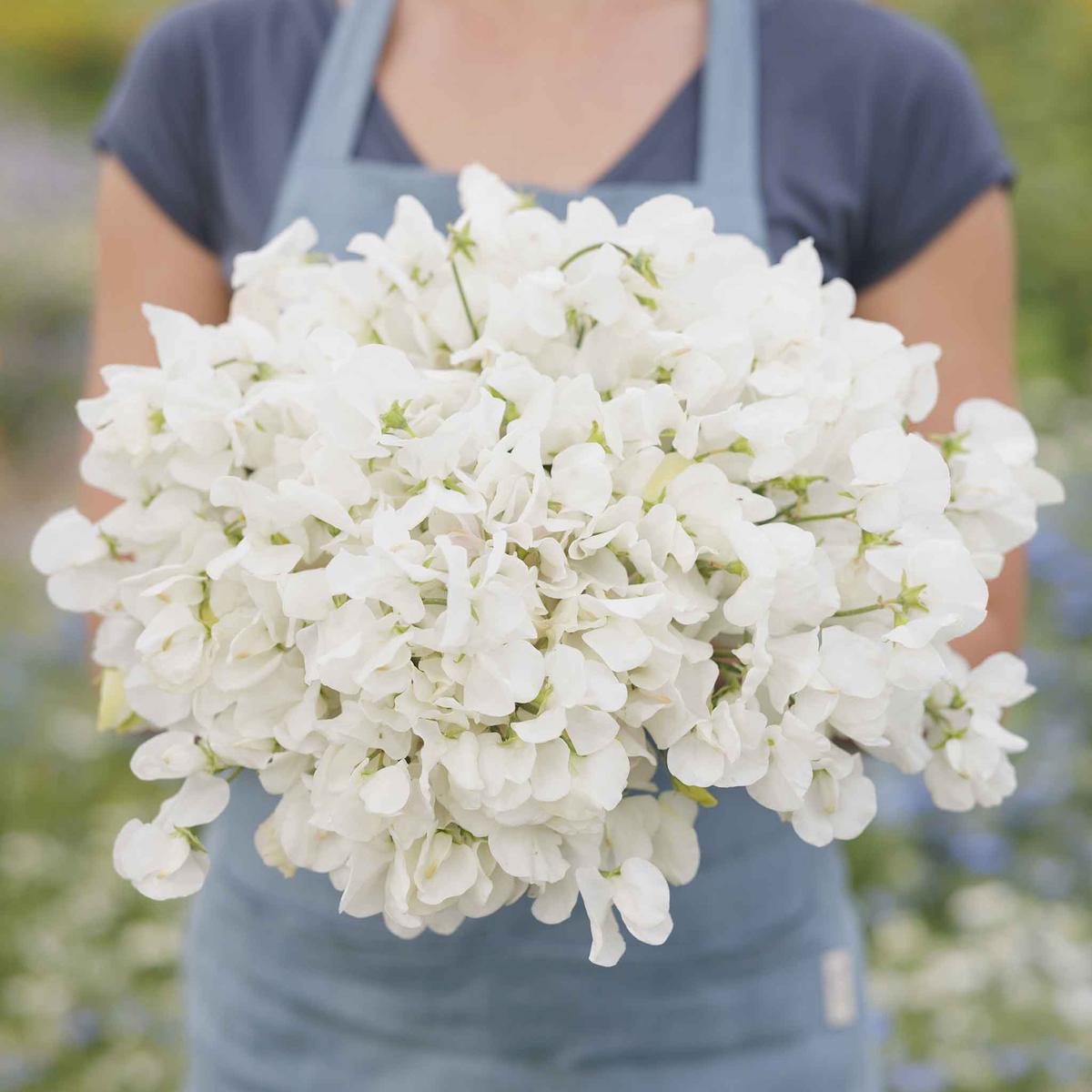
The soft pink mist of Gypsophila looks espectacular when paired with contrasting blues or clean whites from our collection:
Sowing & Flowering Calendar
Sow in spring for a rapid cloud of pink from June through to late summer.
| Month | J | F | M | A | M | J | J | A | S | O | N | D |
|---|---|---|---|---|---|---|---|---|---|---|---|---|
| Sow Outdoors | ||||||||||||
| Flowering |
Alkaline Tip
The name Gypsophila literally means “chalk-loving” (from ‘gypsum’). If your UK garden soil is acidic, adding a handful of garden lime to the sowing area will result in a much denser, healthier cloud of pink flowers.
Known for its stamina and ability to thrive on poor soils, Gypsophila elegans is an essential choice for those wanting to create a romantic, low-maintenance UK garden that supports a huge variety of small bees and hoverflies.
Want more detailed growing advice?
View our Complete Growing Guide for Annuals