$93.02
$186.03
50% OFF! Hot items selling fast—Grab them before they're gone!

 Unconditional Satisfaction GuaranteeNo Shipping Fees Above 302 Months to Decide. Returns Simplified.
Honeylocust (Gleditsia triacanthos) is a fast-growing deciduous tree renowned for its attractive, feathery foliage and its ability to provide dappled shade. This hardy tree is commonly used for landscaping, offering both aesthetic value and functional benefits. Its small, fragrant flowers bloom in spring, followed by long, twisting seed pods that contain sweet-tasting seeds. Honeylocust is also valued for its resistance to pests and diseases, making it a great choice for low-maintenance gardens. The tree is commonly used in urban and suburban settings to provide shade and beauty while allowing grass to grow beneath due to its light-filtering canopy.
Honeylocust trees are drought-tolerant once established but will grow more vigorously with regular watering during dry spells. Water deeply once or twice a week during the growing season to encourage deep root growth. In wet conditions, ensure the soil drains well to prevent root rot.
Best suited for USDA hardiness zones 4-9 and global zones 4-9. Honeylocust trees are adaptable to a variety of climates and can be successfully grown across a wide range of regions.
Dhara Seeds is a big, trusted name in the seed world, offering a wide range of high-quality, non-GMO varieties to gardeners everywhere. The Honeylocust tree is a versatile, low-maintenance addition to any garden, providing shade and beauty while also supporting local wildlife. Its adaptability to various soil types and growing conditions makes it a fantastic choice for a variety of landscapes.
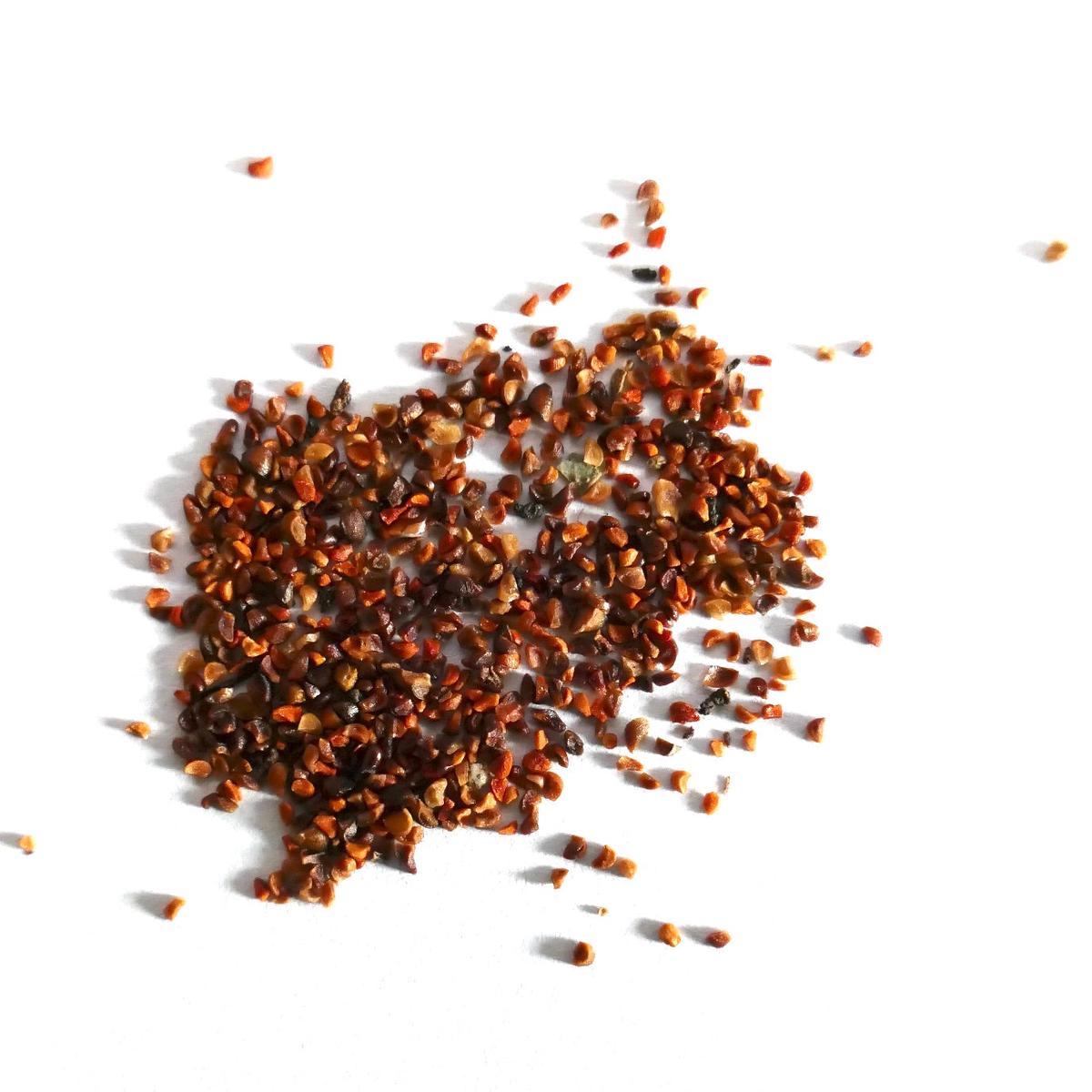
To grow Honeylocust from seeds, soak the seeds in water for 24 hours before planting to help speed up germination. Plant the seeds about 1/2 inch deep in well-drained soil. Keep the soil moist but not soggy, and place the seeds in a sunny location. Germination usually takes 1-2 weeks.
Plant Honeylocust seeds in early spring or late fall, when the soil is warm and the risk of frost has passed. This ensures the best growing conditions for successful germination.
While Honeylocust trees are drought-tolerant once established, they require regular watering during their early growth stages and during dry periods. Water deeply once a week during the growing season, ensuring the soil is well-drained to prevent waterlogging.