$34.92
$43.65
50% OFF! Hot items selling fast—Grab them before they're gone!

 Unconditional Satisfaction GuaranteeNo Shipping Fees Above 302 Months to Decide. Returns Simplified.
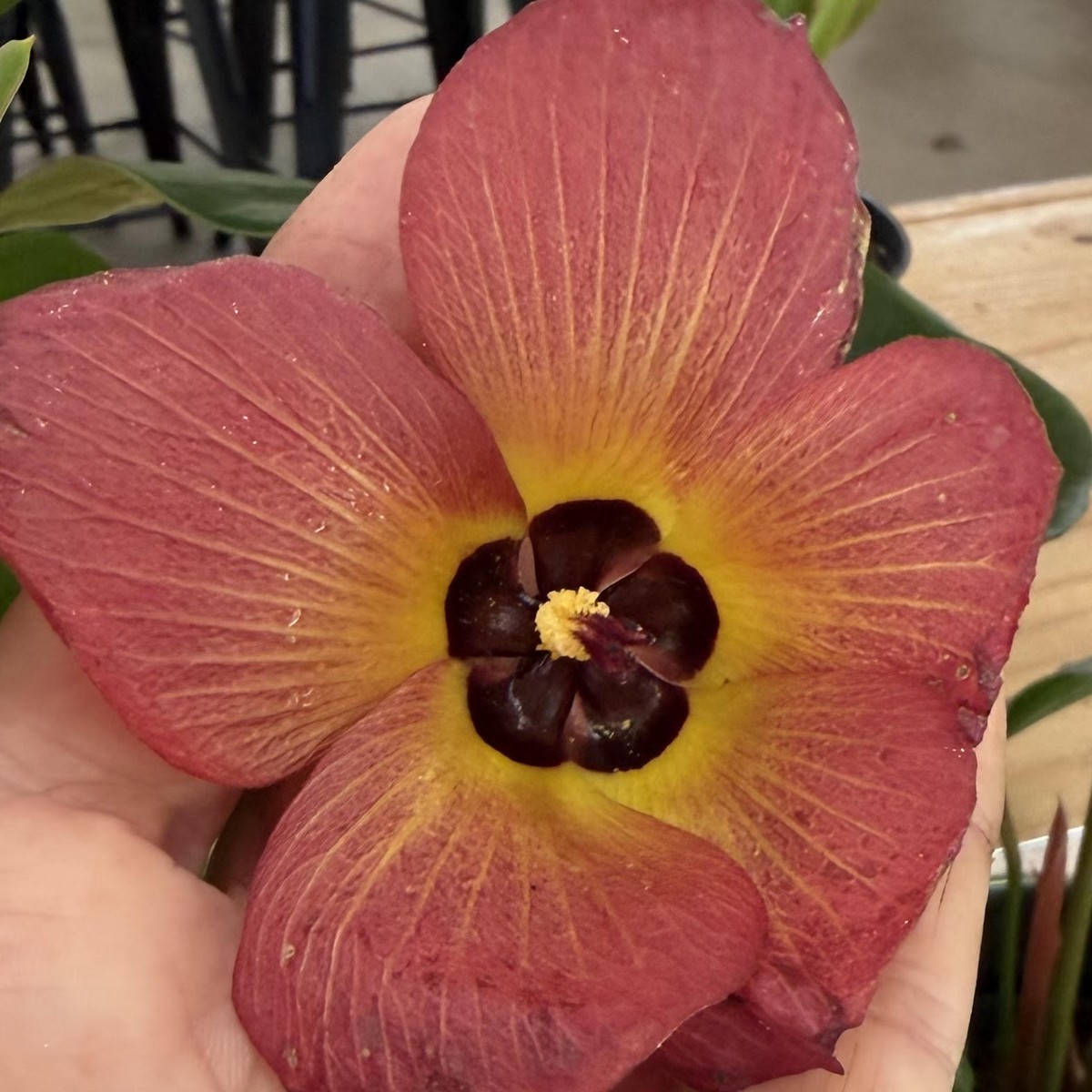
Hydrosme rivieri – The Enigmatic Aquatic Plant Hydrosme rivieri, commonly known as the River’s Jewel, is a stunning aquatic plant native to the lush wetlands of Central Africa. This perennial herb thrives in shallow waters, showcasing vibrant green leaves and delicate, star-shaped flowers that bloom in shades of white and pale blue. Its unique morphology not only enhances the aesthetic appeal of water gardens but also plays a crucial role in maintaining aquatic ecosystems. What makes Hydrosme rivieri truly special is its ability to purify water by absorbing excess nutrients and pollutants, thus promoting a healthier aquatic environment. This plant is not just a visual delight; it serves as a natural filter, making it an essential addition to any eco-friendly garden or pond. One of the standout features of Hydrosme rivieri is its adaptability to various water conditions. Whether in a pond, lake, or aquarium, this resilient plant can thrive, making it a favorite among aquatic plant enthusiasts and environmentalists alike. Growing Instructions Plant in shallow water (2-12 inches deep) for optimal growth. Ensure the substrate is rich in organic matter for nutrient absorption. Provide partial to full sunlight for at least 6 hours a day. Maintain water temperatures between 20C to 30C (68F to 86F). Care Instructions Regularly remove dead leaves to promote healthy growth. Monitor water quality; perform partial water changes as needed. Fertilize with a balanced aquatic plant fertilizer every 4-6 weeks during the growing season. Control algae growth to ensure the plant receives adequate light. Uses Ideal for water gardens, ponds, and aquariums. Acts as a natural water filter, improving water quality. Provides habitat and food for aquatic wildlife. Enhances the aesthetic appeal of aquatic landscapes. Fun Facts Hydrosme rivieri was first documented by botanists in the late 19th century. This plant can grow up to 1 meter in height under optimal conditions. It is known to attract various pollinators, including bees and butterflies. Hydrosme rivieri plays a vital role in carbon sequestration, helping to mitigate climate change.