Mixed Color Butterfly Orchid Seeds for Growing Beautiful Butterfly Orchids in Various Colors
About Mixed Color Butterfly Orchids
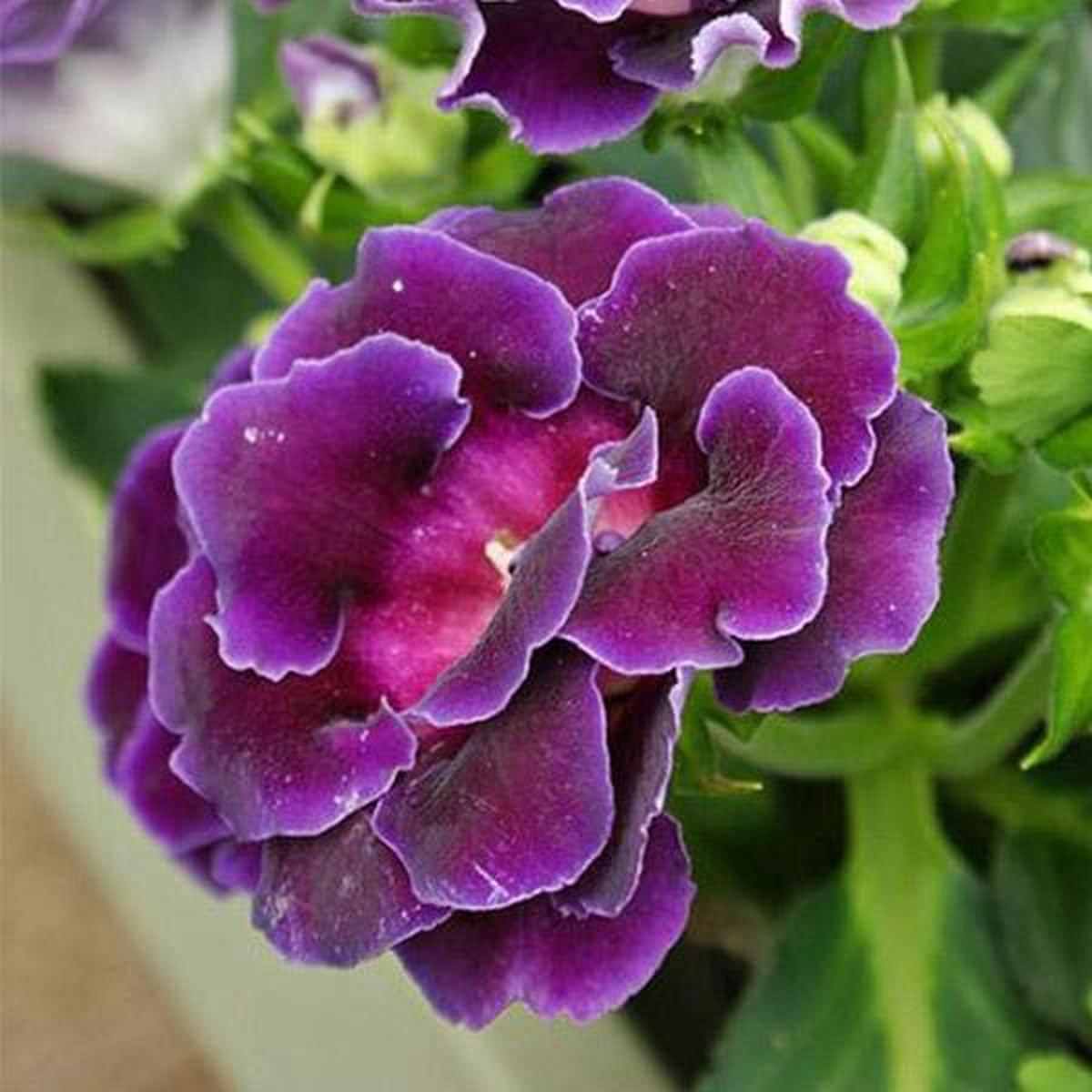
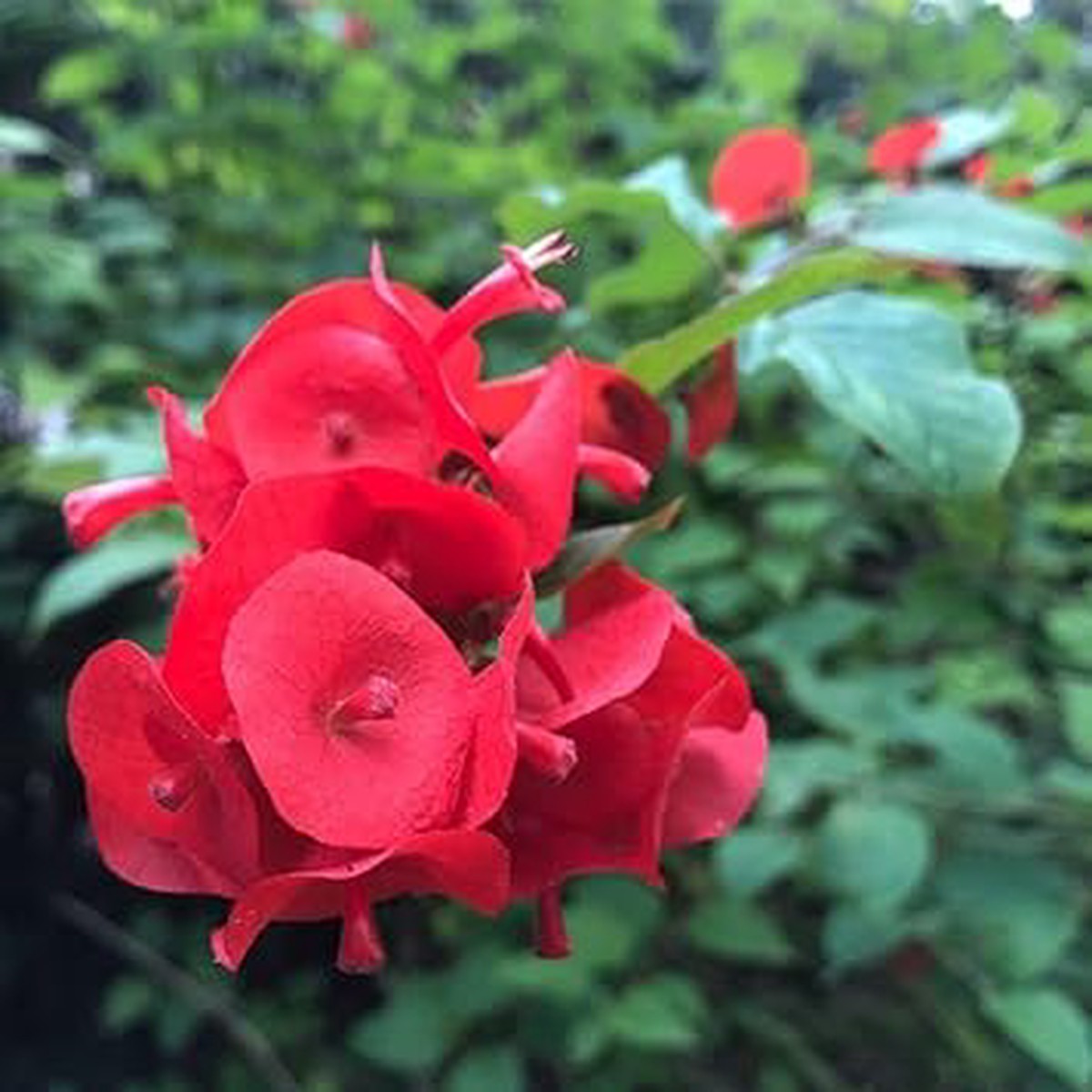
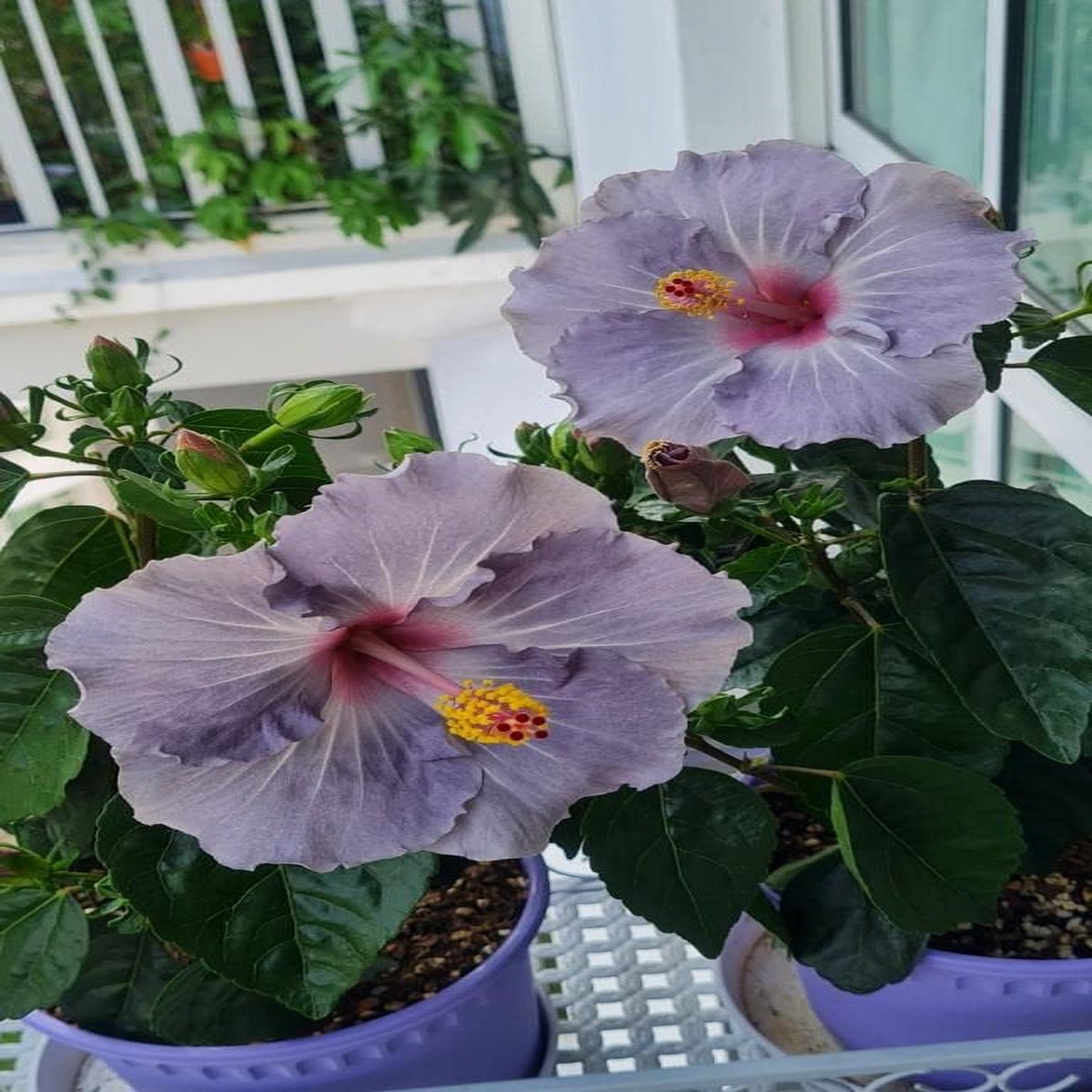
The Mixed Color Butterfly Orchid (Phalaenopsis) is an exotic and visually stunning plant known for its unique, butterfly-shaped flowers. These orchids bloom in a variety of vibrant colors, including purple, pink, white, and yellow, making them a captivating addition to any garden or indoor space. Butterfly Orchids are admired for their long-lasting blooms and elegant appearance. They thrive in warm, humid conditions and are perfect for those looking to add a touch of tropical beauty to their collection.
Growing Mixed Color Butterfly Orchids: Planting Instructions
- Soil: Orchid mix, rich in bark and other materials to ensure proper drainage, is the ideal soil for growing Butterfly Orchids. Its essential that the soil is light and allows air circulation around the roots.
- Light Requirements: Butterfly Orchids thrive in bright, indirect light. Too much direct sunlight can scorch the leaves, while too little light can lead to poor growth and few blooms.
- Watering: Water your orchid regularly but make sure the soil dries out between waterings to avoid over-watering. Orchids prefer a humid environment, so misting the leaves or placing a humidifier nearby is beneficial.
Planting Tips for Mixed Color Butterfly Orchid Seeds
- Seed Preparation: Orchid seeds require a warm and humid environment to germinate successfully. Use sterilized soil or an orchid germination medium.
- Germination: Keep the seeds at a temperature of 70-80F (21-27C) and maintain high humidity levels. Germination can take several weeks to months, depending on conditions.
- Transplanting: Once the seedlings have matured, transplant them into a larger pot with well-draining orchid mix and continue to care for them with appropriate light and moisture conditions.
Growing Zones for Mixed Color Butterfly Orchids
Butterfly Orchids are ideal for growing indoors but can also be grown outdoors in warm, tropical climates (USDA zones 10-11). If you live in a colder region, these orchids can thrive as a houseplant with proper indoor conditions.
Key Features and Benefits
- Vibrant and stunning blooms in various colors, adding a touch of elegance and beauty to your space.
- Long-lasting flowers, making them a great addition to cut-flower arrangements and decorative displays.
- Low-maintenance with proper care, ideal for both beginner and experienced orchid enthusiasts.
- Can be grown both indoors and outdoors in suitable climates, offering versatile growing options.
- Great for attracting pollinators such as bees and butterflies, contributing to your gardens ecological balance.
Uses in the Garden and Landscape
- Perfect for indoor displays, adding a tropical touch to living rooms, kitchens, and patios.
- Can be placed in decorative pots and hanging baskets for a stylish garden feature.
- Suitable for use in tropical-themed gardens or greenhouse collections.
- Ideal as a gift for orchid enthusiasts or as a centerpiece for floral arrangements.
Conclusion
The Mixed Color Butterfly Orchid is a breathtaking addition to any garden or indoor plant collection. With its wide variety of colors and elegant, butterfly-like flowers, its sure to captivate anyone who sees it. Start growing your own Mixed Color Butterfly Orchids today with Dhara Seeds, and enjoy these stunning blooms for years to come!
FAQ
How do I take care of my Butterfly Orchid?
Butterfly Orchids require indirect light, consistent moisture, and a humid environment. Ensure your orchid gets enough light, but avoid direct sunlight. Water regularly, but allow the soil to dry out between waterings to prevent over-watering.
How long does it take for Butterfly Orchids to bloom?
After planting, it typically takes about 1-3 years for Butterfly Orchids to start blooming, depending on the growing conditions. Patience is key as orchids take time to mature and produce flowers.
Can I grow Butterfly Orchids outside?
Yes, Butterfly Orchids can be grown outdoors in warm, tropical climates. In colder regions, they are best suited as indoor plants where you can control the temperature and humidity.


 Unconditional Satisfaction Guarantee