Petunia Bonsai Flower Seeds Indoor Petunias for Balcony
Characteristics and Uses of Petunia Bonsai Plants
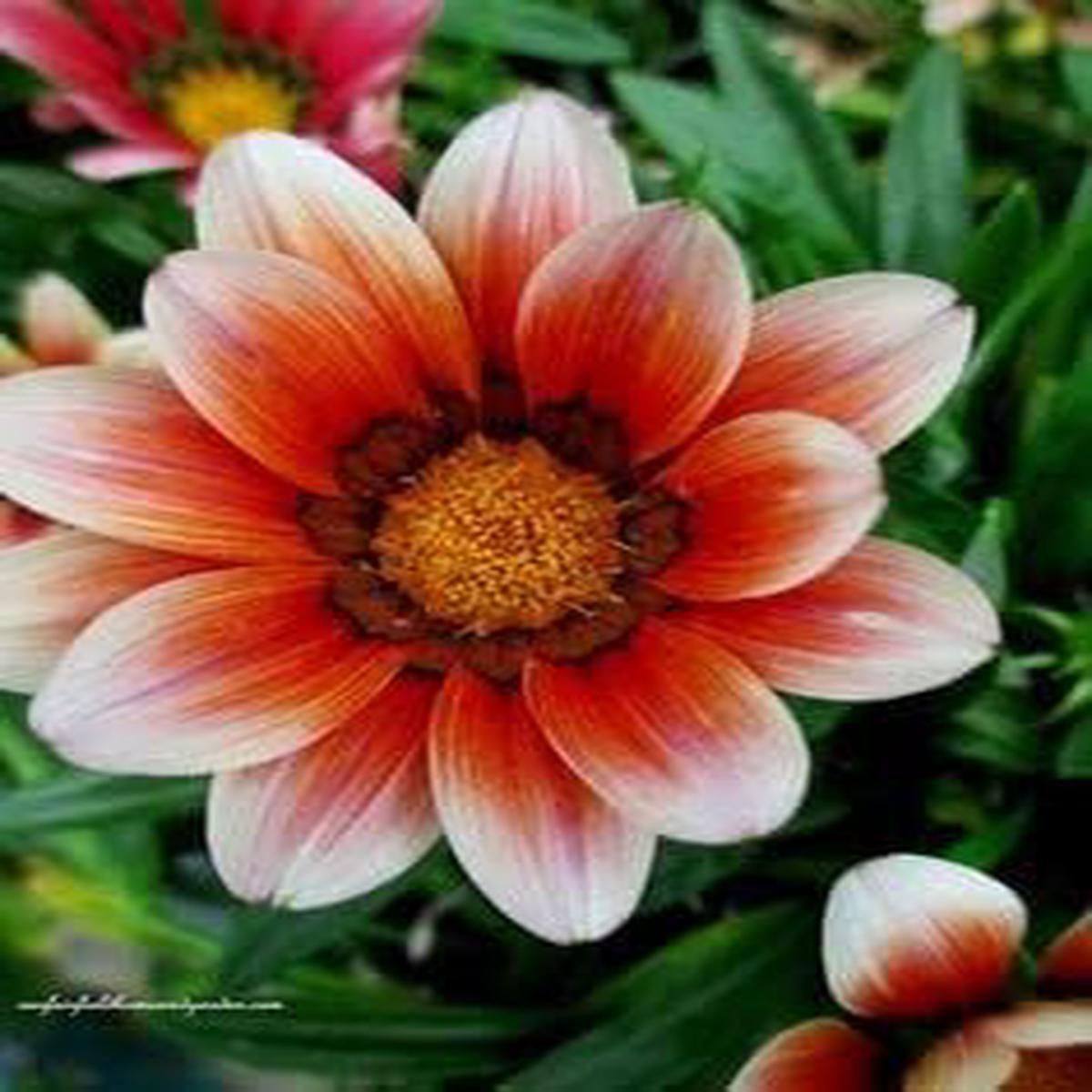
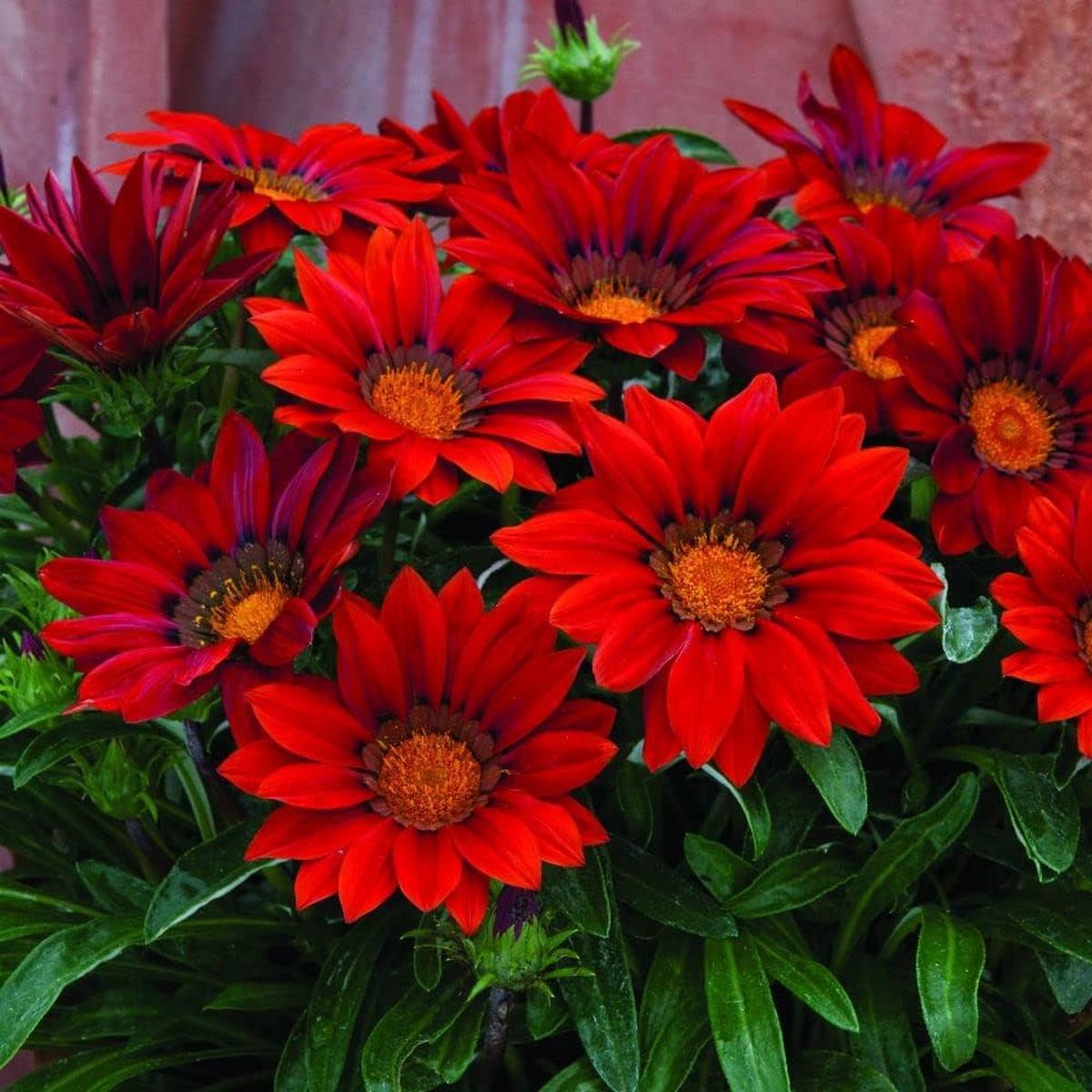
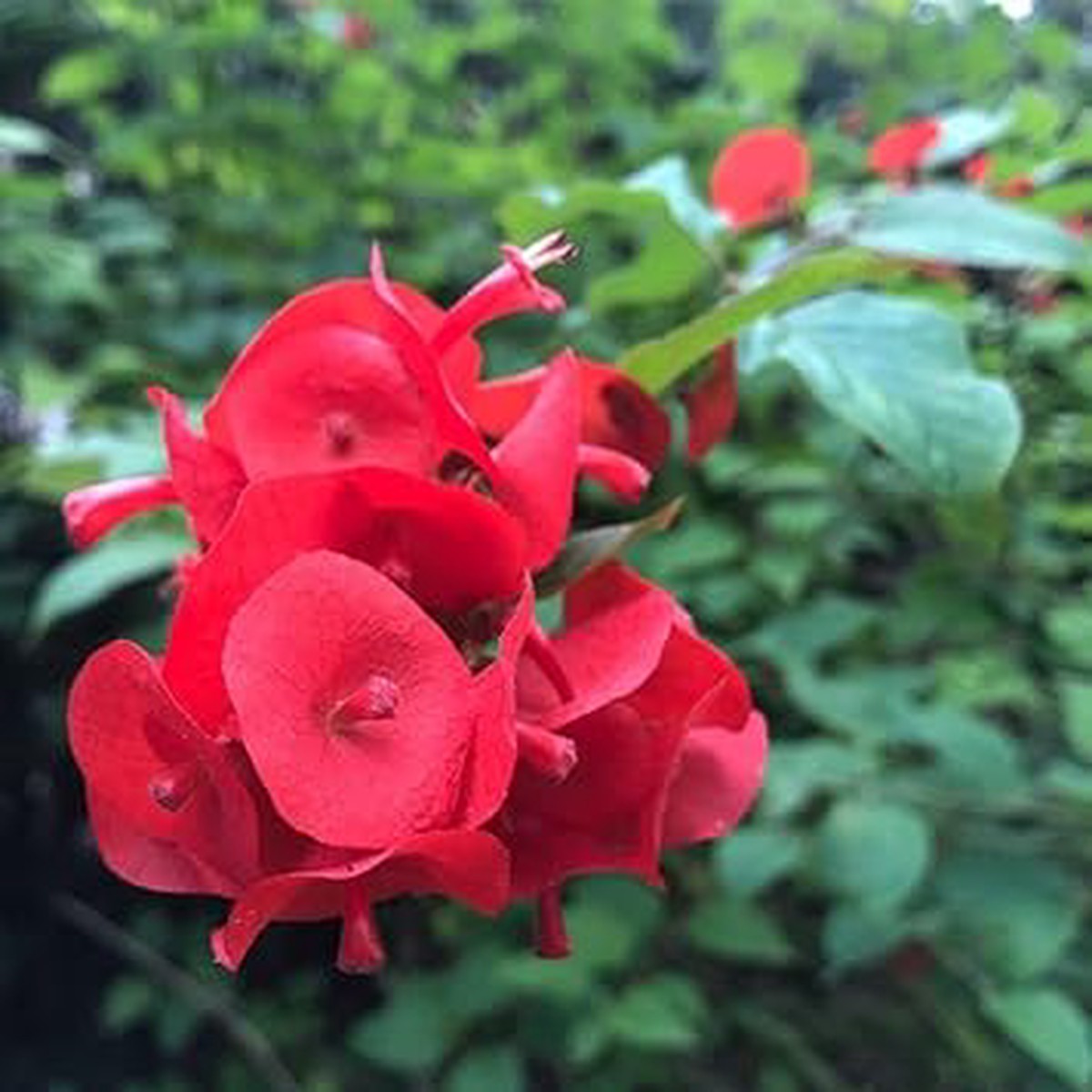
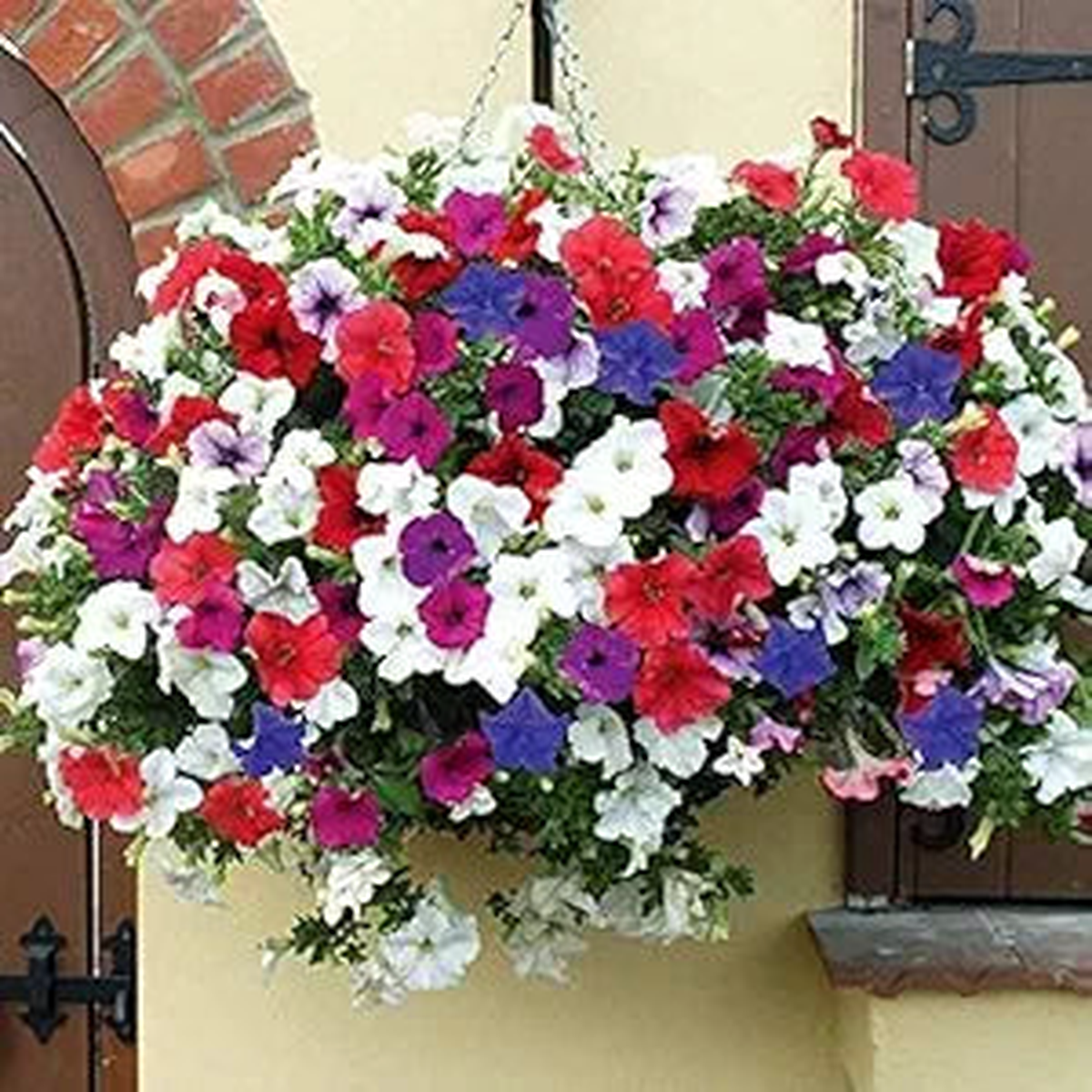
Petunia bonsai plants are a perfect choice for adding color and charm to your indoor or balcony garden. These non-GMO seeds grow into compact, beautifully shaped plants with vibrant, colorful flowers. Petunias are known for their cheerful, funnel-shaped blooms, which come in a variety of colors, including purple, pink, red, and white. With their small size and bushy growth, petunia bonsais are ideal for growing in pots or containers, making them an excellent choice for balcony gardens or indoor spaces. Petunias are not only visually appealing but also attract pollinators like bees and butterflies, adding life to any environment. Their compact nature and stunning flowers make them an ideal option for bonsai enthusiasts and gardeners who enjoy low-maintenance, ornamental plants.
Growing Conditions for Petunia Bonsai Plants
- Light Requirements: Petunia bonsai plants thrive in full sunlight. They require at least 6 hours of direct sunlight daily to promote healthy growth and vibrant blooms.
- Soil Requirements: Well-draining, slightly acidic soil is ideal. A pH level between 6.0 and 7.0 is recommended for optimal growth.
- Temperature: Petunias prefer moderate temperatures, ideally between 60F and 70F (15C to 21C). They are sensitive to frost, so protect them during colder months.
- Humidity: Petunias generally do well in average humidity levels, but in dry indoor environments, occasional misting can help maintain their health.
Planting Tips for Petunia Bonsai Plants
- Planting Depth: Sow the seeds lightly on the soil surface and gently press them down, as petunia seeds require light for germination.
- Spacing: Space the seeds or seedlings about 6 inches apart to allow for proper growth and air circulation.
- Container Size: When growing petunia bonsai indoors, choose a container thats at least 6-8 inches wide to accommodate the plant’s compact size.
- Best Planting Time: The best time to plant petunia seeds is in early spring, once the risk of frost has passed, or indoors around 6-8 weeks before the last frost date.
Watering Instructions and Tips
- Water Requirements: Petunia bonsai plants prefer to be kept moist but not soggy. Water them when the top layer of soil feels dry to the touch, ensuring that water drains freely from the container.
- Watering Time: Water early in the day to avoid excess moisture on the foliage overnight, which can promote fungal growth.
- Watering Tip: During hot weather, ensure the plants are watered more frequently. However, avoid overwatering, as this can lead to root rot.
Growing Zones
Petunia bonsai plants are ideal for USDA Zones 9-11 when grown outdoors. In cooler climates, they can be successfully grown indoors or in containers on balconies, patios, and windowsills.
Key Benefits & Uses
- Perfect for small spaces like balconies, patios, or indoor areas, offering vibrant color and beauty.
- Easy to maintain and low-maintenance, making them suitable for gardeners of all levels.
- The compact size and colorful blooms make them an attractive option for bonsai lovers and floral enthusiasts.
- Petunias attract beneficial pollinators such as bees and butterflies, contributing to the health of your garden ecosystem.
- As non-GMO seeds, they are a natural, sustainable choice for gardeners seeking high-quality plants.
Best Uses in the Garden & Landscape
- Ideal for growing in containers on balconies, windowsills, or small garden spaces.
- Can be used to brighten up entryways, patios, and small garden beds with their colorful flowers.
- Great for bonsai enthusiasts looking to cultivate a unique, ornamental plant indoors.
- Perfect for creating stunning hanging baskets or window boxes with a vibrant display of blooms.
Conclusion
Petunia bonsai plants are a fantastic addition to any indoor or balcony garden, offering beautiful, colorful blooms with minimal effort. Their compact size, low-maintenance needs, and vibrant flowers make them an ideal choice for gardeners looking to brighten up small spaces. Dhara Seeds, a big, trusted name in the seed world, offers a wide range of high-quality, non-GMO seeds to gardeners everywhere, ensuring you can grow vibrant and healthy petunias with ease.
FAQ
How do I grow Petunia bonsai plants from seeds?
Start by sowing the seeds on the soil surface and gently pressing them down. Keep the soil moist but not soggy, and place the container in a warm spot with indirect sunlight. Once they sprout, ensure they get plenty of direct sunlight to promote strong growth and vibrant blooms.
When is the best time to plant Petunia bonsai seeds?
Petunia seeds should be planted in early spring, around 6-8 weeks before the last frost date if growing indoors, or after the last frost if planting outdoors.
How often should I water my Petunia bonsai plants?
Water petunia bonsai plants when the top layer of soil feels dry. Ensure the plant is not sitting in water to avoid root rot, and water early in the day for best results.

 Unconditional Satisfaction Guarantee